




Wildflower Garden in Worcestershire
Wildflower Garden in Worcestershire
Contact: Steffan at 07815785457
Wildflower Garden in Worcestershire, Little Malvern Farm, start a wildflower garden in Worcestershire, prepare area by clearing the ground
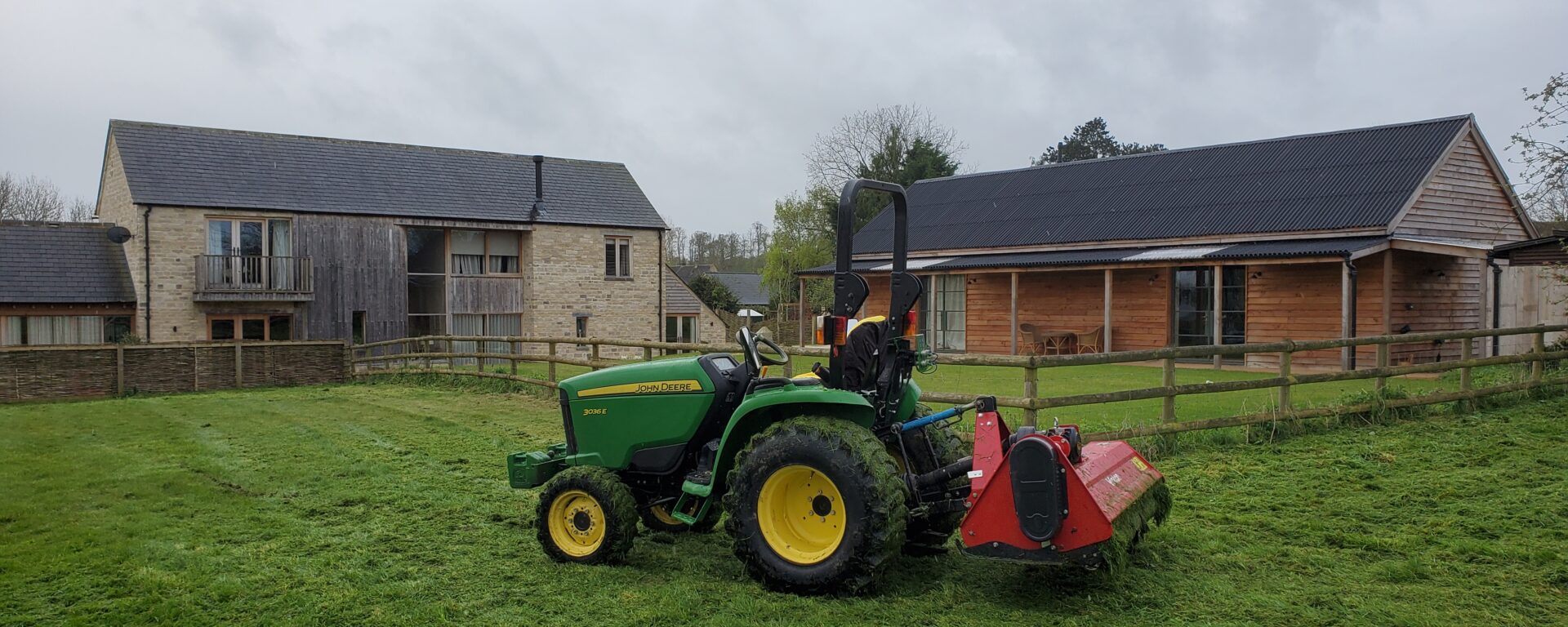
For large projects, Little Malvern Farm offers meadow creation services.For creating and maintaining your own wildflower garden wildflower gadening in the cotswolds
Manage the meadow: To prevent aggressive grasses from taking over, cut the flowers in the autumn, making sure to use a machine that doesn’t destroy the seed heads, and remove the cuttings.
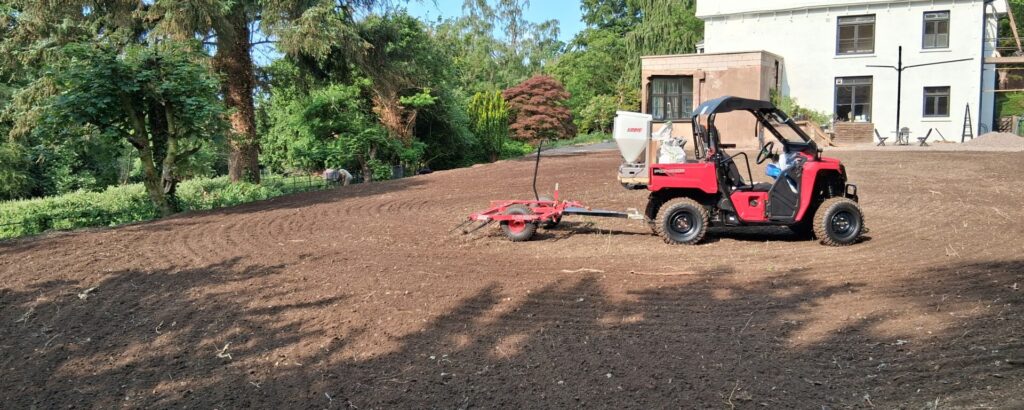
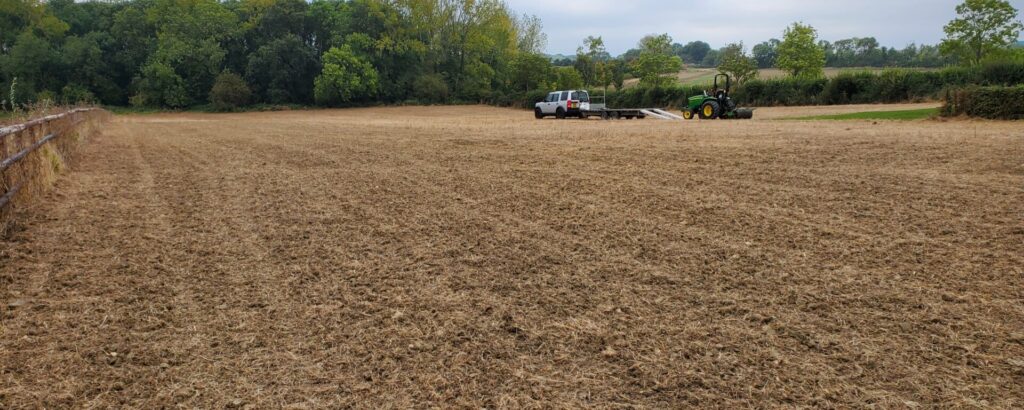
Prepare the soil: Choose a sunny spot and clear the ground. You can dig and loosen the soil to create a fine seedbed or scarify a patch of grass to prepare it for sowing.
Sow seeds: The best time to sow is late August or September, as autumn sowing helps break seed dormancy.
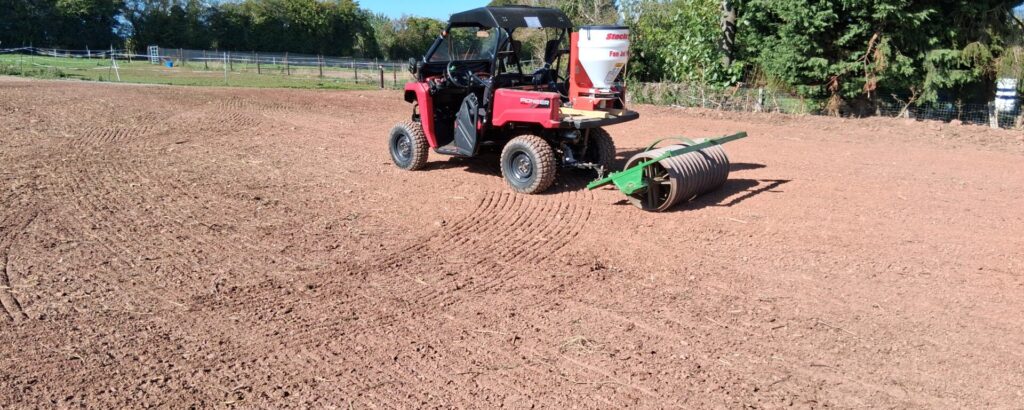
Firm the seeds: After sowing, firm the ground to ensure the seeds have good contact with the soil.
Protect your seeds: Protect newly sown seeds from birds until they have germinated.
Recommended Native Wildflowers
Native species that do well in the region and attract pollinators include:
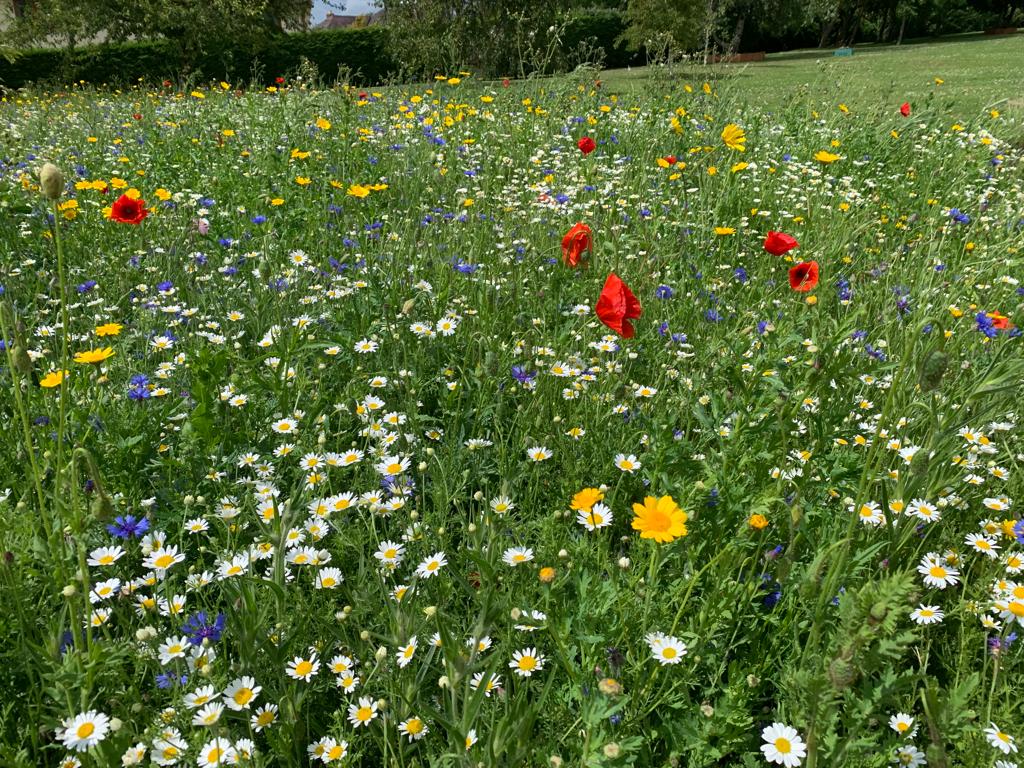
- Oxeye daisy
- Common knapweed
- Bird’s-foot trefoil
- Field scabious
- Ragged robin
- Primrose and wild daffodils (for spring colour)
- Meadowsweet and water mint (for damper areas, like near a pond)
- Corn poppy
To establish a successful wildflower garden in
Worcestershire, focus on using native species suitable for local soil conditions and manage the area to keep soil fertility low.
Key Steps for a Worcestershire Wildflower Garden
- Choose the Right Site: Select a sunny spot, as most wildflowers require at least 6 hours of daily sunlight.
- Prepare the Soil: This is the most critical step. Wildflowers thrive in poor, low-nutrient soil.
- Remove all existing turf and persistent perennial weeds (like nettles and docks), ensuring all roots are removed.
- Dig or rotovate the soil to break up compaction, then firm and rake it to create a fine, level seedbed.
- Avoid using fertiliser or manure, as high nutrient levels encourage aggressive grasses that outcompete wildflowers.
- Allow the soil to settle for a few weeks, and remove any new weeds that appear before sowing.
- Select Local Seeds: Use native British wildflower seeds, ideally from a supplier who sources from local areas like the Worcestershire/Gloucestershire border. This ensures the plants are adapted to the local climate and support local wildlife.
Sow the Seeds:
- Sow pure wildflower seeds at a rate of around 1-2g per square metre, or a wildflower-and-grass mix at about 5g per square metre.
- Mix the seeds with dry sand to help you scatter them evenly and see where you’ve sown.
- Scatter half the mix one way, and the other half at a 90-degree angle to ensure even coverage.
- Lightly press the seeds into the soil with the back of a rake or by treading them in; do not bury them deeply.
Initial Care:
- Water the area gently after sowing and keep it moist until seedlings are well established.
- Protect the seeds from birds using netting or bird-scaring devices if necessary.
Key Considerations
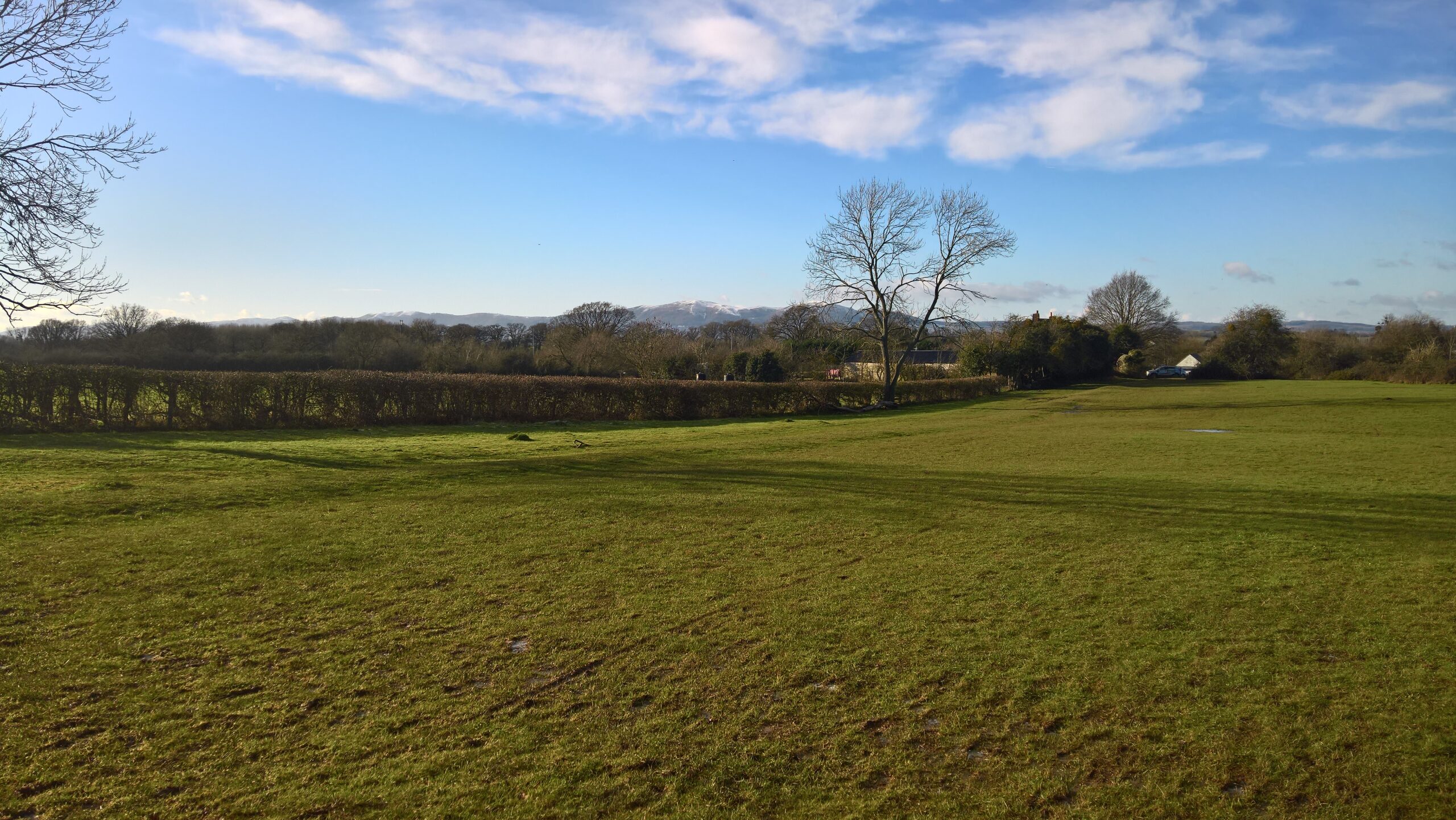
- Soil Type: Wildflowers thrive in poor, low-nutrient soil. The Cotswolds is known for its alkaline limestone grasslands. If your garden soil is rich (which is common in previously fertilised areas), you will need to reduce its fertility. This can be done by removing the top layer of topsoil or by repeatedly cutting and removing all vegetation over time. Do not add compost or fertiliser.