


Hedge Tree planting in Warwickshire, Little Malvern Farm
Hedge Tree Planting in Warwickshire, Little Malvern Farm offers hedge tree planting services in Warwickshire and the surrounding areas, including both bespoke garden solutions and larger landscape projects.
Ask for Steffan 07815785457
Hedge Tree planting in Warwickshire, Oxfordshire, Gloucestershire. Little Malvern Farm specialises in equestrian and agricultural properties, and you can contact them for a free quote by calling 07815785457 or emailing info@littlemalvernfarm.co.uk.
How to contact them
- Phone: 07815785457 (ask for Steffan)
- Email: info@littlemalvernfarm.co.uk
- Website: Little Malvern Farm


Services and expertise
- Bespoke planting: They can provide expert advice on creating a specific planting scheme or completely redesigning your garden space.
- Mixed variety hedges: They install mixed-variety hedges as part of landscaping projects.
- Equestrian and commercial grounds: Little Malvern Farm has expertise in agricultural, equestrian, and commercial properties, handling everything from small gardens to large estates.
- Related services: In addition to hedge planting, they also offer other services such as fencing, hedge cutting, and general grounds maintenance. They offer professional tree and hedge planting across Cheltenham, Gloucester, Chipping Norton, Stow on the Wold and the Cotswolds. They handle residential and commercial projects, helping you select the right species for your environment.
Trusted Amenity contractors providing contractual grass mowing, woodland creation and hedge planting, green space management, weed control,
For hedge planting at
Little Malvern Farm, you can hire the landscape services offered by the farm itself, or contact other local specialists in the broader Warwickshire,Gloucestershire area
Recommended native hedge species for Warwickshire
For a mixed, wildlife-friendly hedge that is well-suited to the local environment, consider a variety of native plants.
- Hawthorn: A thorny native that is excellent for stock-proofing and provides flowers and berries for wildlife.
- Blackthorn: Provides early white flowers and is excellent for a dense, thorny hedge.
- Hazel: A common hedgerow component that can be laid to create a thick, bushy hedge.
- Field Maple: A fast-growing native that is ideal for mixed species hedgerows.
- Holly: An evergreen with attractive berries that provides excellent shelter for wildlife.
- Spindle: A native shrub that provides berries and attractive autumn colour.
- Wild Rose/Honeysuckle: These climbing species can add flowers and extra density to an established hedge.
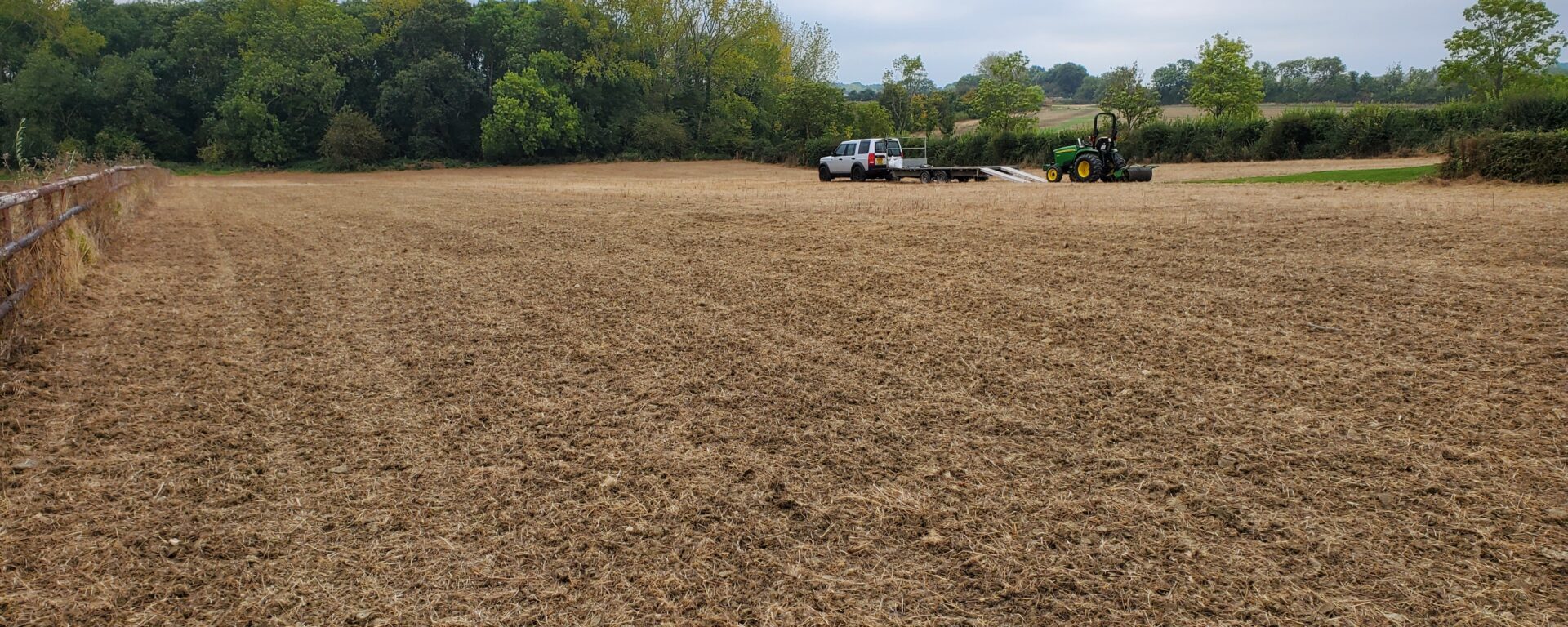
“At Little Malvern Farm, we provide a comprehensive range of Landscape gardeners, paddock maintenance, Little Malvern farm equestrian, garden, and commercial ground care and maintenance services. From topping and spraying to moss and weed control & everything in between.
Planting considerations
- Best time to plant: The best times to plant are October through May for root ball hedging, and August/September for a wide range of hedge species.
Planting Guidance
- Timing: Plant bare-root hedges between October and March when the plants are dormant. Container-grown plants offer more flexibility and can be planted year-round, except when the ground is waterlogged or frozen.
- Soil and Climate: Most hedging plants in Gloucestershire thrive in a wide range of well-drained soils. Ensure the chosen species is suited to your specific garden’s conditions (e.g., sun exposure, soil pH).
- Planting Density: For a thick, dense hedge, plant a double row in a zigzag pattern, with around 6-7 plants per metre.
- Aftercare: New hedges require maintenance for the first 3 to 5 years, including watering and keeping the base free of competing weeds and grass.
- Wildlife: Consider planting a mixed-species native hedge to maximise benefits for local biodiversity, such as providing food (berries, nectar) and habitat for birds, insects, and small mammals.
Soil and location: The Cotswolds are known for their limestone soil. Add organic matter and manure to improve the soil and help establish the new hedge.Wildlife: For a wildlife-friendly hedge, plant a variety of native species and consider
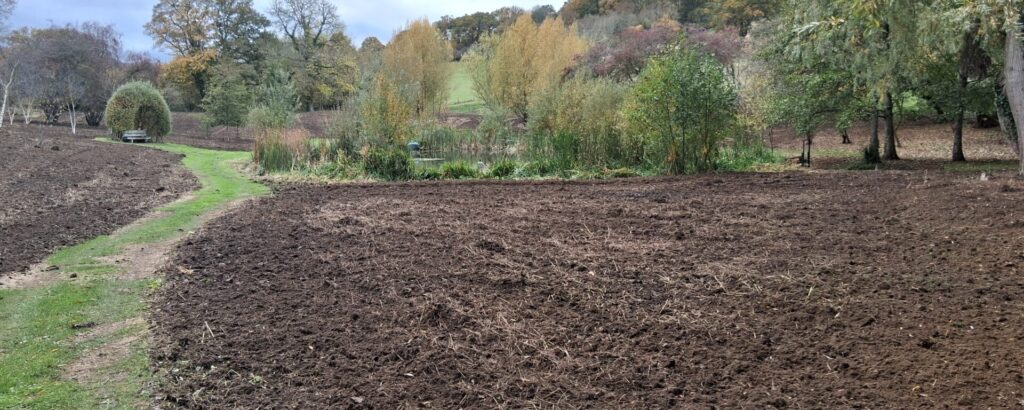
Creating a wildflower meadow – Paddock Services Little Malvern Farm
Wood Farm, leading wildflower meadow installation company Wild Flower Meadows Services in Worcestershire, Gloucestershire, Cotswolds, Warwickshire, …
Species: Choose species that are suitable for your location and will thrive in your specific environment, considering soil type and sunlight.Pest protection: Use shelters with three holes to protect new trees from rabbits and hares.
For hedge planting in the Cotswolds, suitable species include native plants like hawthorn and beech, as well as popular choices like yew and box. The best time to plant is typically from November to April for bare-root hedges, as they are dormant and focus on root establishment. You can choose between planting young, cost-effective plants or mature specimens for an instant effect, and services from companies specialising in Little Malvern Farms Cotswold planting are available
Important considerations
- Local conditions: Choose species that are well-suited to the specific soil and climate of your location within the Cotswolds.
- Maintenance: Be aware that you are responsible for your hedge’s upkeep and ensuring it does not cause a nuisance to your neighbors.
- Planting depth: Ensure plants are planted at the correct depth for success
Ornamental and evergreen options
- Box (Buxus sempervirens): A classic, dense evergreen hedge that is slow-growing.
- Cherry Laurel (Prunus laurocerasus): A popular evergreen with glossy green leaves, suitable for a privacy screen.
- Golden Privet (Ligustrum ovalifolium Aureum): Provides colour with its vivid crimson-red leaves.
- Photinia ‘Red Robin’: A popular medium-sized shrub that produces glossy, red leaves, maturing to a dark green.
- Yew (Taxus baccata): A dense evergreen hedge.
For hedge planting in Warwickshire, Cotswolds. Oxfordshire’s popular and recommended species include both native mixes (Hawthorn, Blackthorn, Hazel, Field Maple) for wildlife and biodiversity, and robust evergreens (Leyland Cypress, Privet, Holly, Yew, Photinia ‘Red Robin’) for privacy and year-round structure. The ideal time to plant is typically between October and March.
Choosing the right plants
- Hawthorn: A classic native species, well-suited to the local climate.
- Beech: Another native option, which holds its leaves through winter.
- Yew: A traditional and long-lasting choice for hedges.
- Box: A popular option for formal and low-maintenance hedges.
- Privet: A common and reliable hedging plant.
- Evergreen options: Consider plants like yew, box, or holly for year-round screening.
Planting services
- Hedge Tree planting in Warwickshire,Oxfordshire Little Malvern Farm. Professional services: Companies specialise in planting both young and mature hedges in the Cotswolds. Mature plants offer an instant impact, while young plants are more cost-effective and can be shaped over time.
Transform your garden with our soft landscaping services, from hedging and tree planting to lawns and wildflower meadows.
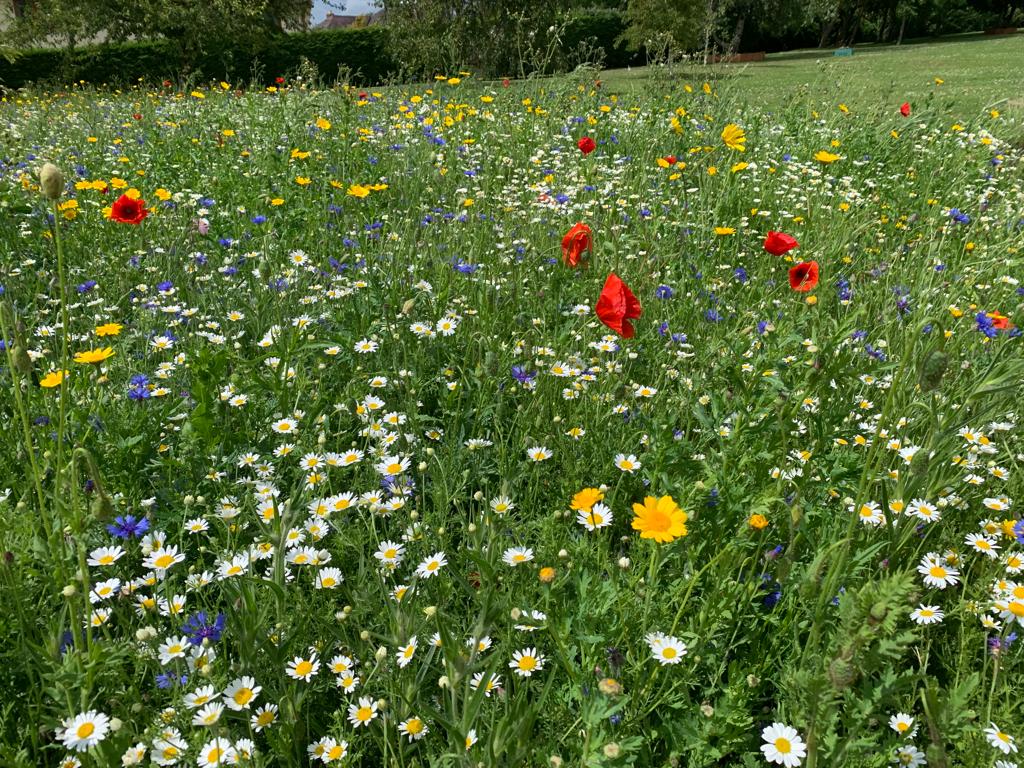
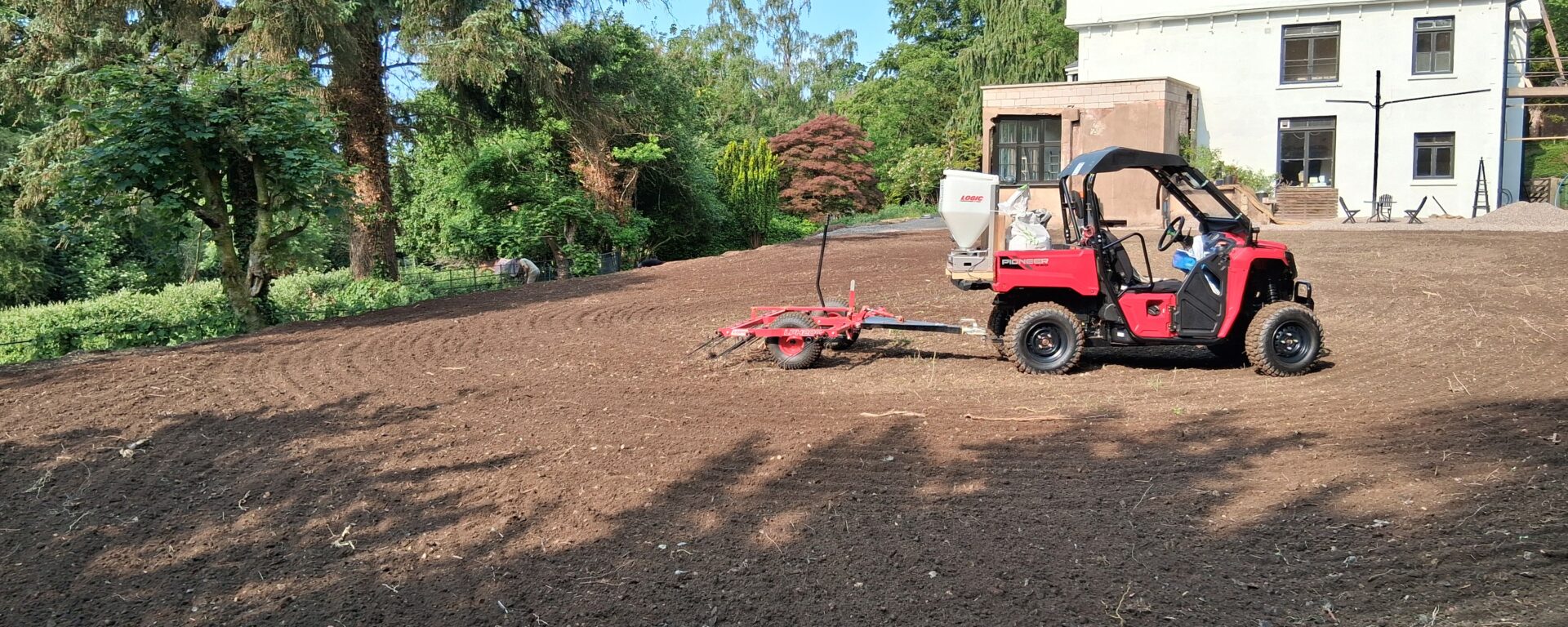
prepare your site and sow a mix of native wildflowers, transforming ordinary spaces into colourful meadows that support bees, butterflies
There are many native and ornamental hedging options suitable for planting in Warwickshire, Cotswolds, Oxfordshire,